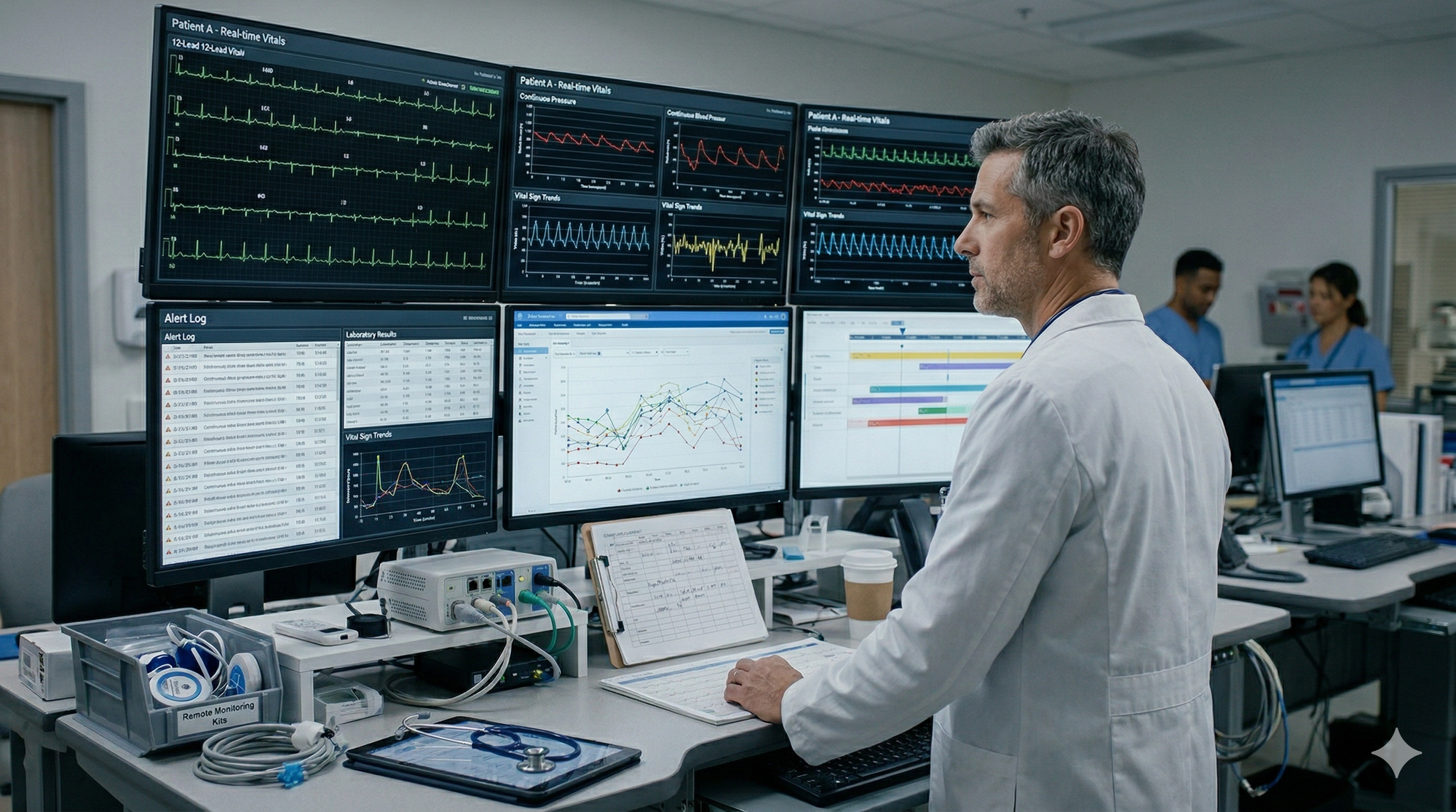
Alert Fatigue and the Exception-Based Model

Remote Patient Monitoring (RPM) has emerged as a cornerstone of modern chronic disease management and post-acute care. Continuous physiologic data streams promise earlier detection of clinical deterioration, reduced readmissions, and improved patient outcomes. Yet the operational reality of RPM programs reveals a paradox: the very technology designed to prevent adverse events has introduced a new … Read more
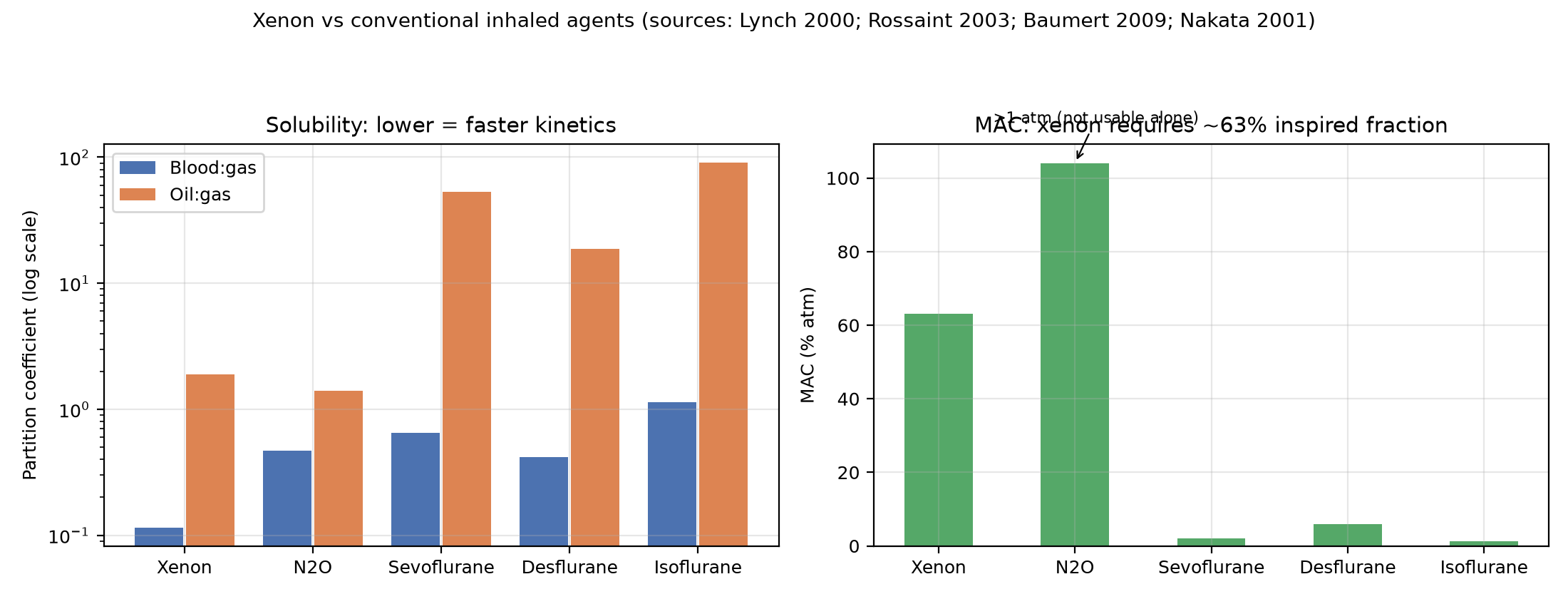

Xenon as an Anesthetic Agent: The Ideal Agent That Never Became Routine

A Comprehensive Literature Review Prepared: 2026-09-16 Style: Vancouver numbered citations (all PMIDs mechanically verified via NCBI E-utilities on the date of preparation) Note: This review is prepared for personal knowledge; all factual claims carry citation numbers resolved in the reference list. Abstract Xenon — a noble gas present at 87 parts per billion in Earth’s … Read more

Digital Twins in Cardiovascular Medicine: A Gold Standard Evidence Review

White Paper | May 2026 EXECUTIVE SUMMARY Cardiovascular disease remains the leading cause of mortality globally, claiming approximately 17.9 million lives annually. Despite advances in diagnostic and therapeutic interventions, significant gaps persist in predicting disease progression and personalizing treatment. Digital twin technology—computational replicas of individual patients that integrate real-time physiological data with mechanistic modeling—offers a … Read more

Digital Biomarkers: From Snapshot Medicine to Continuous Physiological Intelligence

Executive Summary The standard clinical encounter is a snapshot in time — a single frame from a movie that is constantly evolving. For patients with chronic disease, that snapshot can be profoundly misleading: a patient who appears stable at a Tuesday visit may be drifting toward decompensation by Thursday, invisible to a system that has … Read more

The Proactive Pivot: From Reactive Crisis Management to Predictive Physiological Stewardship

Executive Summary The contemporary model of chronic disease management remains fundamentally reactive — a system engineered to treat the crash rather than intercept the drift. Heart failure (HF), chronic obstructive pulmonary disease, and diabetes-related complications drive billions in avoidable hospitalization costs annually, with the 30-day readmission cycle perpetuating a destructive feedback loop of clinical instability … Read more