Executive Summary
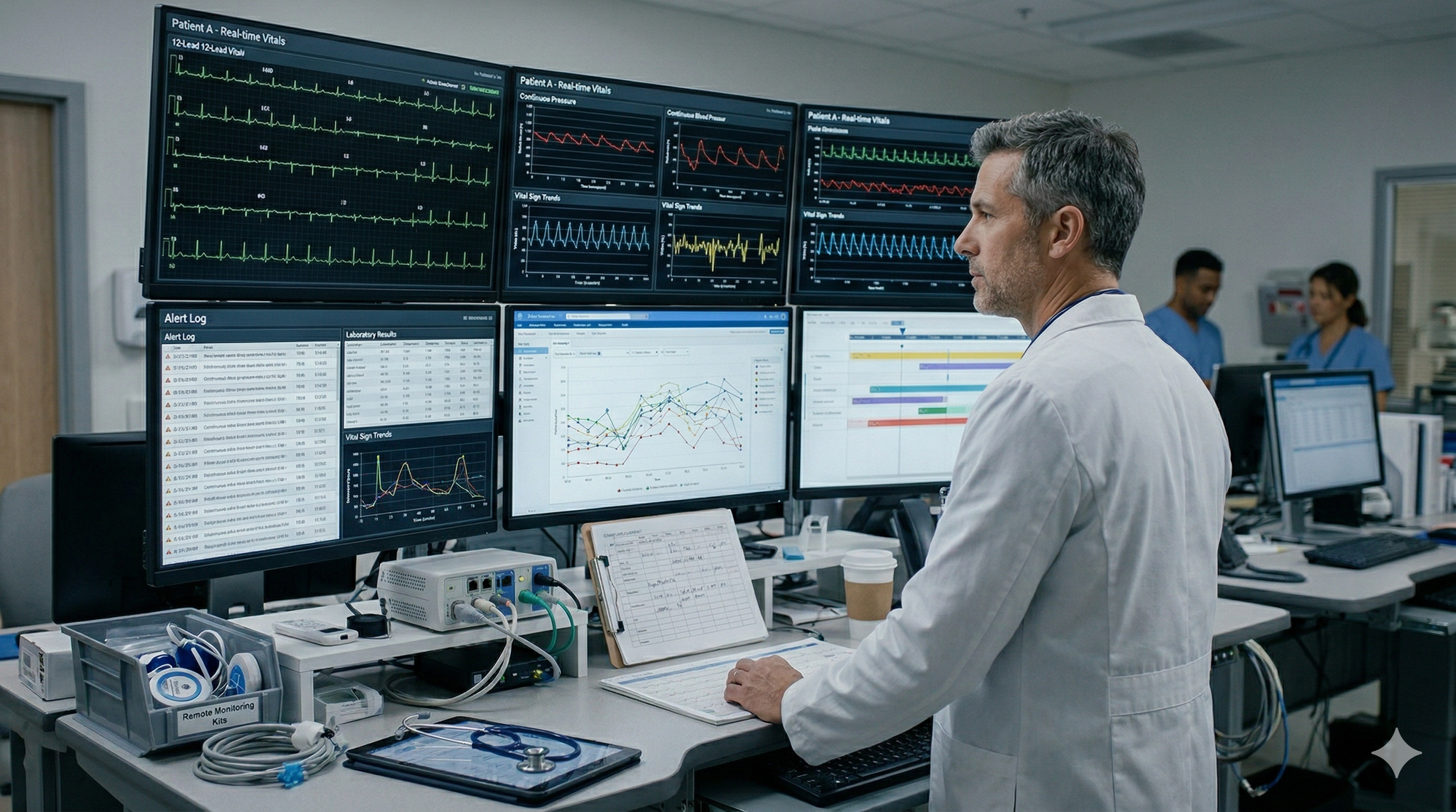
The contemporary model of chronic disease management remains fundamentally reactive — a system engineered to treat the crash rather than intercept the drift. Heart failure (HF), chronic obstructive pulmonary disease, and diabetes-related complications drive billions in avoidable hospitalization costs annually, with the 30-day readmission cycle perpetuating a destructive feedback loop of clinical instability and systemic waste. Among Medicare beneficiaries hospitalized for HF, approximately 21.5% are readmitted within 30 days, a figure that has remained resistant to pharmacological optimisation alone.1 Among US nonagenarians hospitalised with acute heart failure with preserved ejection fraction, the mean cost of a 30-day readmission was $43,265 per episode.2 The Proactive Pivot represents a paradigm shift toward AI-integrated Remote Patient Monitoring (RPM) and predictive physiological stewardship. By leveraging continuous waveform analysis, machine learning–driven risk stratification, and nurse-led structured escalation protocols, health systems can transition from crisis response to trajectory management. The evidence base supports this transition: wearable device–guided HF care reduces HF hospitalisations by 41% and all-cause mortality by 26%,3 and, in a UK propensity-matched comparison at a specialist virtual ward (single-centre, observational), telehealth-aided outpatient management was associated with 1-month HF readmission of 8.6% versus 21.5% with standard care.4 Cost-effectiveness analyses indicate that telemonitoring during office hours is the most cost-effective strategy in most modelled scenarios, with an incremental cost-effectiveness ratio of £11,873 per quality-adjusted life-year (QALY).5 This white paper establishes the clinical, pathophysiological, and economic foundations for that transition.
1. The Reactive Paradigm Problem
The Burden of Crisis-Driven Care
The traditional model of chronic disease management operates on a fundamental misallocation of clinical resources: it waits for the crisis before acting. In heart failure alone, approximately 21.5% of Medicare beneficiaries discharged after an acute hospitalisation are readmitted within 30 days — a failure rate that has remained stubbornly resistant to pharmacological optimisation alone.1 The financial consequences are staggering. The mean cost of a 30-day all-cause HF readmission in the United States is estimated at $43,265 per episode, a figure that does not capture the downstream costs of functional deterioration, caregiver burden, and institutional follow-on care.2 HF readmissions are a primary target for value-based care reform, driving billions in annual costs across healthcare systems.
The comparison data between reactive and proactive care pathways are striking. In a propensity score–matched cohort of 958 HF patients, those managed via a telehealth-aided virtual ward (HFVW) experienced 30-day readmission rates of 8.6%, compared with 21.5% under standard care — a relative reduction of 60% (OR 0.30, 95% CI: 0.20–0.50, P<0.001).4 At 12 months, this gap persisted: 47% versus 57% (P=0.005).4 The clinical significance extends beyond readmission counts: patients managed via proactive virtual ward protocols also demonstrated significantly lower all-cause mortality at one month (5% vs 13.7%, P<0.001), indicating that early intervention modifies the trajectory of decompensation itself.4
The societal dimension of the reactive paradigm is equally important. Avoidable hospitalisations for chronic conditions represent a multi-billion-dollar burden on provincial health systems in Canada, with rural and Indigenous communities disproportionately affected by the absence of proactive monitoring infrastructure. Evidence from several Canadian jurisdictions suggests the geographic distribution of chronic disease burden is inequitable: rural populations face higher rates of HF hospitalisation and mortality compared with urban counterparts, and access to specialist follow-up care is geographically constrained. RPM has the potential to reduce the distance barrier that has historically prevented rural patients from accessing the continuous specialist oversight that urban populations receive through frequent clinic visits.
The Current Standard Falls Short
The 2024 CMS benchmark for HF 30-day readmission sits at 20.2%, underscoring the gap between the current standard of care and the outcomes achievable through proactive monitoring.6 Even guideline-directed discharge protocols, when implemented as quality improvement initiatives, have achieved only modest reductions — from 22.3% to 17.9% at a single institution.6 These incremental gains contrast sharply with the transformational improvements demonstrated by RPM-enabled virtual ward models, where readmission rates of 8.6% are achievable in appropriately selected populations.4 The reactive paradigm is not merely clinically suboptimal — it is economically untenable and ethically insufficient.
—
2. Pathophysiology of “The Drift”
Autonomic Dysfunction as the Substrate of Decompensation
Clinical decompensation in chronic disease is rarely sudden. It is a process — a progressive drift in physiological stability that precedes the obvious symptomatic crisis by hours to days. In heart failure, the hallmark of this drift is autonomic dysfunction, measurable through Heart Rate Variability (HRV) analysis.7 The parasympathetic withdrawal and sympathetic activation that characterize the pre-decompensation state produce measurable shifts in HRV indices including SDNN (standard deviation of NN intervals), PNN50 (percentage of successive NN intervals that differ by more than 50 ms), and the LF/HF ratio — reflecting the underlying cardiovagal impairment that precedes overt haemodynamic failure.
In a retrospective cohort of 128 patients with acute decompensated heart failure (ADHF), those categorized as having a poor prognosis (n=31) demonstrated significantly impaired HRV indices at both admission and discharge compared with those achieving clinical stability (n=97).7 Poor prognosis patients showed significantly higher SDNN (P<0.001), higher SDANN (P<0.001), higher LF (P=0.018), and significantly lower PNN50 (P=0.035), lower HF (P<0.001), and lower LF/HF (P<0.001).7 A combined HRV diagnostic model achieved an AUC of 0.901 (95% CI: 0.832–0.970) for predicting poor prognosis in that cohort — a promising signal, but from a single retrospective centre and not yet externally validated.7 This finding has direct clinical implications: HRV is not merely a monitoring parameter but a pathophysiological signal — a measurable window into the autonomic state that determines whether a compensated patient will remain stable or drift back toward decompensation.
The Continuous Monitoring Imperative
A patient seen in clinic every two to four weeks has no mechanism to capture the HRV depression that emerges on day three of an incipient exacerbation. The temporal resolution of standard follow-up is fundamentally mismatched to the timescales of physiological deterioration. Continuous monitoring holds the promise of capturing measurable autonomic change before overt decompensation — provided the predictive models are validated, which is precisely what the prospective evidence base does not yet supply. This is the core operational principle of the Proactive Pivot: move the trigger for clinical action from symptom onset to AI-detected anomaly.
—
3. The RPM Evidence Base
Wearable Devices and Non-Invasive Monitoring
The clinical case for RPM in heart failure management rests on a robust and growing foundation of systematic reviews and meta-analyses. A 2025 systematic review and meta-analysis by Murray and colleagues, published in Frontiers in Cardiovascular Medicine, examined four studies comprising 958 patients enrolled within 10 days of HF hospitalisation.3 Wearable device–guided care resulted in a 41% reduction in HF hospitalisations (RR 0.59, 95% CI: 0.41–0.87, P=0.007), a 40% reduction in HF events (RR 0.60, 95% CI: 0.42–0.86, P=0.005), and a 26% reduction in all-cause mortality (RR 0.74, 95% CI: 0.55–0.99, P=0.04), although mortality was reported in only two of the four included trials, although mortality was reported in only two of the four included trials.3 The composite of HF hospitalisation or all-cause mortality was 37% lower in the wearable-guided groups (RR 0.63, 95% CI: 0.44–0.91, P=0.04).3 These findings establish non-invasive wearable monitoring as a evidence-supported strategy for the highest-risk window: the first 10 to 30 days post-discharge.
A 2024 systematic review and meta-analysis by Masotta and colleagues, published in Heart & Lung, synthesised 61 studies examining telehealth and remote monitoring strategies in HF patients, demonstrating that telemonitoring significantly reduces both one-year all-cause mortality and rehospitalisation rates compared with usual care.8 This broad evidence base confirms the generalisability of RPM benefits across diverse telehealth modalities and healthcare settings.
Telehealth-Aided Virtual Ward Real-World Evidence
The propensity score–matched cohort study by Sankaranarayanan and colleagues (2024) provides high-quality real-world evidence from a contemporary UK specialist centre.9 Among 554 HFVW patients matched to 404 standard care patients, telehealth-aided outpatient management dramatically reduced readmissions at every time point: 8.6% versus 21.5% at one month (OR 0.30, P<0.001), 21% versus 30% at three months (P=0.003), 28% versus 41% at six months (P<0.001), and 47% versus 57% at 12 months (P=0.005).9 One-month all-cause mortality was 5% versus 13.7% (P<0.001), and 12-month mortality was 20% versus 26% (P=0.04).9 These data demonstrate that the proactive pivot is not merely a theoretical construct — it is a clinically validated care model operationalised with existing telehealth infrastructure.
Network Meta-Analysis: Structured Monitoring Strategies
The network meta-analysis by Pandor and colleagues (2013), published in Heart, examined 21 randomised trials and 6,317 patients to compare remote monitoring strategies against usual care in the post-discharge period.9 While reductions in all-cause mortality trended favourable, they did not individually reach conventional statistical significance: structured telephone support human-to-human (STS HH): HR 0.77 (95% CrI: 0.55–1.08); home telemonitoring during office hours: HR 0.76 (95% CrI: 0.49–1.18); home telemonitoring 24/7: HR 0.49 (95% CrI: 0.20–1.18).9 Exclusion of one trial that provided better-than-usual support to the control group rendered each comparison statistically significant — suggesting that in settings where usual care is less robust, remote monitoring effects are larger.9 These data support the clinical utility of structured monitoring in the highest-risk window: the first 28 days post-discharge.
A Critical Caveat: When Remote Monitoring Is Insufficient
The EMPOWER trial, a pragmatic randomised clinical trial published in JAMA Internal Medicine by Asch and colleagues (2022), provides an essential negative result that contextualises the RPM evidence base.10 In this three-hospital study of 552 adults discharged with HF, an intensive remote monitoring intervention — comprising digital scales, electronic pill bottles for diuretics, and regret lottery incentives for adherence — produced no significant reduction in the combined endpoint of readmission or death at 12 months (HR 0.91, 95% CI: 0.74–1.13, P=0.40).10 This finding is clinically important: it demonstrates that RPM alone, without integrated care coordination, structured escalation pathways, and clinical decision support, does not reliably improve outcomes. The proactive pivot is not achieved by deploying monitoring devices — it requires the operational infrastructure to act on the data they generate.
—
4. The Modality Matrix
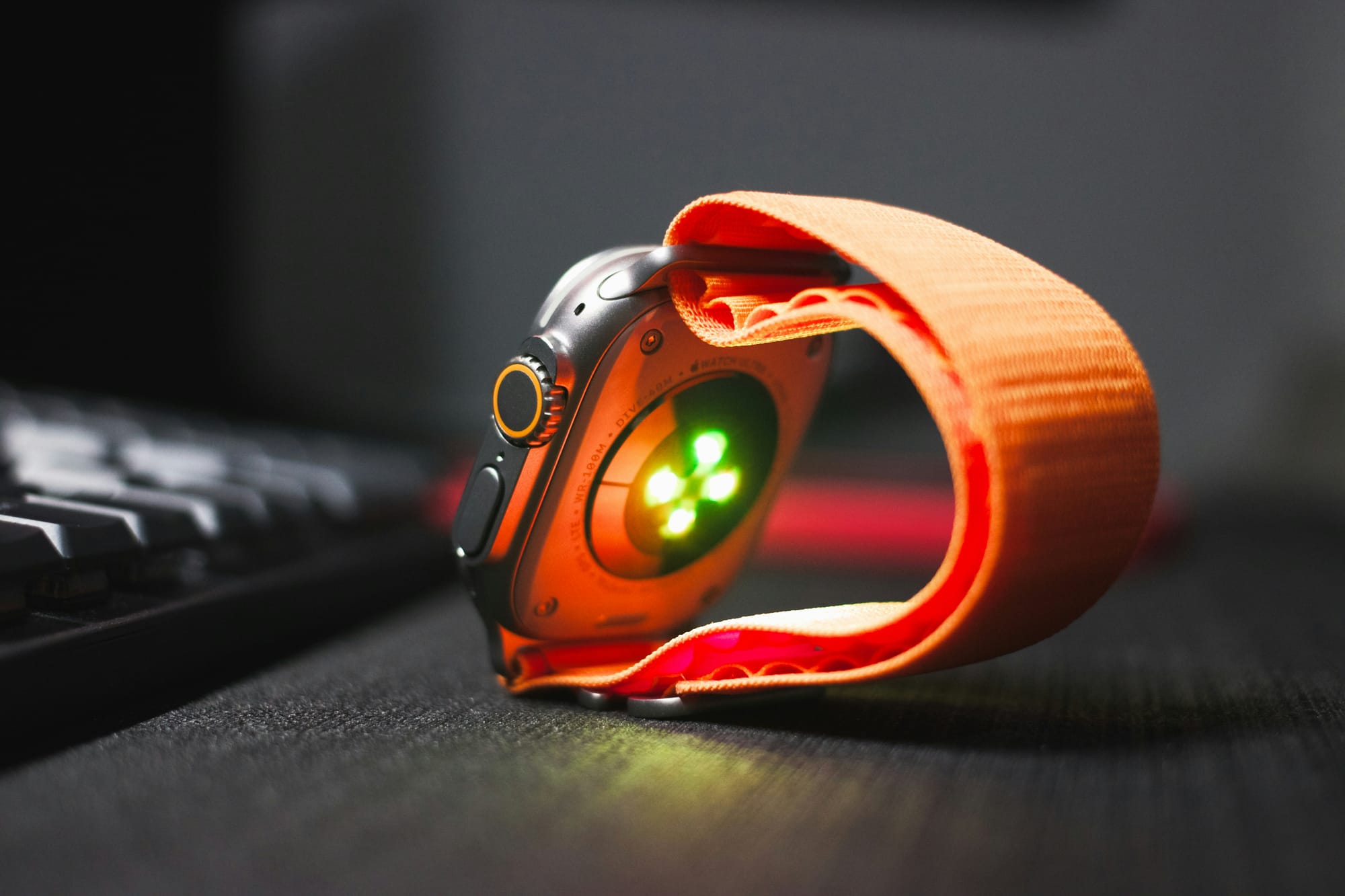
Effective predictive stewardship requires deploying monitoring modalities matched to the specific physiological pathways of decompensation for each condition. The clinical utility of RPM is highly heterogeneous across modalities, and the choice of monitoring strategy determines both the fidelity of the physiological signal and the cost-effectiveness of the program.
Pulmonary artery pressure sensors (e.g., CardioMEMS) provide the most proximal physiological indicator of volume status and HF decompensation — direct measurement of left-sided filling pressures — but require procedural implantation. High-resolution ECG wearables capture HRV indices (SDNN, LF/HF, PNN50) with sufficient granularity to detect autonomic dysfunction preceding clinical deterioration, with combined HRV AUC of 0.901 for poor prognosis prediction.9 Pulse oximetry (SpO₂) provides continuous nocturnal oxygen saturation surveillance with established utility in chronic obstructive pulmonary disease and sleep-disordered breathing. Arterial pulse waveform analysis enables cuffless blood pressure estimation, eliminating the white-coat effect and enabling high-frequency hypertension monitoring without cuff discomfort.
From an economic perspective, the systematic review by Pandor and colleagues (2013) in Health Technology Assessment established that home telemonitoring during office hours represents the most cost-effective strategy, with an ICER of £11,873 per QALY — well below the UK’s National Institute for Health and Care Excellence willingness-to-pay threshold.5 Structured telephone support via human-to-machine interface was dominated by usual care, highlighting that not all monitoring modalities are equivalent in their clinical or economic value.5
—
5. Alert Fatigue: The Noise Problem
Quantifying the Alarm Burden
The promise of continuous monitoring is undermined by a fundamental engineering failure: the signal-to-noise ratio of traditional threshold-based alerting is catastrophically poor. In an analysis of intra-operative patient-monitoring data, 71.84% of conventional threshold alarms were annotated as clinically irrelevant — detected by threshold algorithms but not reflective of genuine physiological deterioration requiring clinical action.11 The desensitisation induced by chronic alarm exposure creates a cognitive environment where clinicians progressively habituate to alerts, increasing the risk that genuine deterioration signals are missed.
Resolving the Noise Problem
An adaptive time-delay algorithm — which delays alerts according to the degree and duration of threshold deviation — reduced total alarms from 4,893 to 1,729 — a 64.7% reduction — while the proportion of clinically irrelevant alarms fell from 71.84% to 53.85%.11 Positive predictive value improved from 28.16% to 46.15%, and the false positive alarm reduction rate was 73.51%.11 This is not achieved by simply lowering thresholds but by deploying adaptive threshold algorithms that contextualise individual patient baselines rather than population averages, and by filtering alerts through machine learning models trained on longitudinal within-patient patterns. When a patient’s own physiological variability defines the alert boundaries, the false positive rate collapses, and genuine deterioration signals emerge from the noise.
—
6. AI and Predictive Stewardship
Machine Learning for Risk Stratification
The integration of machine learning into RPM workflows represents the operationalisation of predictive stewardship — a systematic approach that moves the trigger for clinical action from symptom onset to AI-detected anomaly. A scoping review by Croon and colleagues (2022), published in the European Heart Journal — Digital Health, examined 16 studies applying AI-based algorithms to predict hospital admission in HF patients.12 ML models for 30-day HF (re-)admission prediction achieved AUC values ranging from 0.61 to 0.79, with one prospective study using a disposable sensory patch achieving AUC of 0.89 for unplanned admission prediction.12 Performance was similar to conventional statistical models, and the authors emphasise that no included model has yet undergone prospective, externally validated testing sufficient for clinical deployment.12
The Triage Architecture
At the system level, AI-powered triage substantially reduces clinician workload by filtering raw monitoring data into risk-stratified alerts: the majority of monitoring data requires no action, a smaller subset triggers care coordinator review, and only the highest-risk escalations reach the supervising physician. This hierarchical filtering is essential for scaling RPM programs beyond pilot configurations without inducing the alert fatigue that has sabotaged previous monitoring initiatives.
The clinical impact of structured escalation pathways is well-documented. A nurse- and allied professional–led heart failure care pathway using the Triage-HF™ algorithmic risk score, reported by Zwaenepoel and colleagues (2026) in the European Journal of Cardiovascular Nursing, enrolled 180 HF patients with enabled cardiac devices.13 The algorithm demonstrated sensitivity of 82% (95% CI: 70–92%), specificity of 91% (95% CI: 87–94%), and a negative predictive value of 93% (95% CI: 90–96%) for predicting HF events.13 Alert rate was 0.44 per patient-year — a manageable burden far below that of traditional threshold-based systems.13 Critically, 80% of true-positive alerts were managed entirely in the ambulatory setting without hospitalisation; only 19% resulted in hospitalisation.13 Nursing workload was estimated at 306 hours per 1,000 patient-years — approximately 0.20 full-time equivalent — making the model operationally scalable.13 These data demonstrate that nurse-led RPM pathways can operationalise the proactive pivot: rather than waiting for the patient to call with symptoms, the care team acts on the physiological signal of impending drift.
—
7. The Canadian Architecture
Hospital-at-Home and Telehomecare in Canada
The Canadian healthcare system presents a distinctive opportunity for RPM-enabled proactive care. Hospital-level care at home, with RPM as the enabling technology, has been validated in a randomised trial spanning rural US and Canadian sites by Levine and colleagues (2025), published in JAMA Network Open.14 Among 161 patients (79 home hospital, 82 brick-and-mortar), those receiving home hospital care — including remote physician care, remote monitoring, video communication, point-of-care testing, and intravenous medications — 30-day readmission did not differ significantly between home hospital and traditional hospital care (10.1% versus 17.1%).14 Patients treated in the home hospital setting also demonstrated significantly less sedentary time and more steps during their acute illness episode, suggesting functional benefits beyond the readmission metric.14 The trial included patients with acute conditions including heart failure, The trial enrolled adults with several acute conditions including heart failure, but readmission outcomes were all-cause, so it supports — rather than establishes — the generalisability of the model to a specifically HF population.14
In Ontario specifically, a telehomecare program evaluated by Francis and colleagues (2026), published in JMIR Formative Research, enrolled 194 patients with HF (n=117) or COPD (n=77) along with 62 caregivers and 24 nurses.15 HF patients demonstrated significant health-related quality-of-life improvements at 12-month follow-up (P<0.001). Caregivers reported low strain scores (mean 10.3, SD 5.9), and nurses reported moderate satisfaction (mean 6.7, SD 1.5), indicating that telehomecare is operationally feasible and acceptable to all key stakeholders.15
Rural and Indigenous Access Equity
The Canadian context introduces a compelling access equity argument: RPM eliminates the geographic barrier that has historically prevented rural and remote patients — particularly those in Indigenous communities — from accessing the continuous specialist oversight that urban populations receive through frequent clinic visits. For Indigenous communities in particular, where the combination of high chronic disease burden and physical remoteness creates compounded vulnerability, RPM represents not merely a clinical optimisation but a fundamental expansion of care access. The data from rural Hospital-at-Home trials confirm that acute-level care delivered at home with remote monitoring is clinically safe and effective for appropriately selected patients, including those with HF.14
—
8. The Path Forward
The transition from reactive crisis management to predictive physiological stewardship is not a theoretical aspiration; it is an operational imperative supported by robust clinical evidence, proven technology, and compelling health economics.
Health systems implementing RPM programs should proceed through a phased framework:
1. Establish within-person physiological baselines using high-fidelity wearables capable of HRV capture
2. Validate AI models against known clinical events to calibrate sensitivity and specificity locally
3. Deploy risk-stratified triage with nurse-led escalation protocols, using validated algorithms (e.g., Triage-HF™) to filter alerts and manage workload
4. Integrate with telehealth infrastructure to enable virtual ward management for patients identified as high-risk
5. Progressively transition toward ambient sensing technologies that reduce patient engagement burden while maintaining signal fidelity
The economic case is supported by multiple lines of evidence: HF readmissions cost an average of $43,265 per episode,2 and wearable-guided care reduces HF hospitalisations by 41%.3 With a number needed to monitor of approximately 6 patients to prevent one HF hospitalisation (based on RR 0.59 over 12 months),3 the economics of proactive monitoring are compelling at scale. Telemonitoring during office hours is cost-effective at under £12,000 per QALY — well within accepted willingness-to-pay thresholds.5
For clinicians, the imperative is clear: the patient who could have been prevented from decompensating deserves the same evidence-based intervention as the patient who presents with a completed crisis. The pathophysiology is established (autonomic dysfunction precedes clinical decompensation by measurable intervals),7 the monitoring technology is validated,3 the risk stratification algorithms are quantified,13 and the care delivery models are clinically and economically proven.4 5 For health system leaders and investors, the opportunity is to move early on a proven model before the reimbursement architecture fully catches up to the evidence. The pivot has already begun. The question is not whether to transition — it is how quickly.
This article is for educational and informational purposes and is not individual medical advice; monitoring and management decisions should be made with a clinician. Commercial devices and algorithms (e.g., CardioMEMS, Triage-HF™) are named for illustration.
—
References
1. Sawano M et al. 2026. Heart failure outcomes among Medicare beneficiaries before and during the COVID-19 pandemic. Am J Cardiol. PMID: 41687911
2. Maraey A et al. 2021. Predictors of thirty-day readmission in nonagenarians presenting with acute heart failure with preserved ejection fraction: a nationwide analysis. J Geriatr Cardiol. PMID: 35136396
3. Murray CP et al. 2025. Efficacy of wearable devices detecting pulmonary congestion in heart failure: systematic review and meta-analysis. Front Cardiovasc Med. PMID: 40860355
4. Sankaranarayanan R et al. 2024. Telehealth-aided outpatient management of acute heart failure in a specialist virtual ward compared with standard care. ESC Heart Fail. PMID: 39138875
5. Pandor A et al. 2013. Home telemonitoring or structured telephone support programmes after recent discharge in patients with heart failure: systematic review and economic evaluation. Health Technol Assess. PMID: 23927840
6. Walker M et al. 2026. Implementation of the AHA Get With The Guidelines-Heart Failure discharge checklist to improve GDMT adherence and 30-day readmission rates. Heart Lung. PMID: 41722438
7. Liu H et al. 2023. Correlation between heart rate variability index and vulnerability prognosis in patients with acute decompensated heart failure. PeerJ. PMID: 38025754
8. Masotta V et al. 2024. Telehealth care and remote monitoring strategies in heart failure patients: systematic review and meta-analysis. Heart Lung. PMID: 38241978
9. Pandor A et al. 2013. Remote monitoring after recent hospital discharge in patients with heart failure: systematic review and network meta-analysis. Heart. PMID: 23680885
10. Asch DA et al. 2022. Remote monitoring and behavioral economics in managing heart failure in patients discharged from hospital: randomized clinical trial. JAMA Intern Med. PMID: 35532915
11. Schmid F et al. 2017. Reduction of clinically relevant alarms in patient monitoring by adaptive time delays. J Clin Monit Comput. PMID: 26621389
12. Croon PM et al. 2022. Current state of AI-based algorithms for hospital admission prediction in patients with heart failure: scoping review. Eur Heart J Digit Health. PMID: 36712159
13. Zwaenepoel B et al. 2026. Efficacy and workload implications of the Triage-HF algorithm in a nurse- and allied professional-led heart failure care pathway. Eur J Cardiovasc Nurs. PMID: 41913566
14. Levine DM et al. 2025. Hospital-level care at home for adults living in rural settings: randomized clinical trial. JAMA Netw Open. PMID: 41324962
15. Francis T et al. 2026. Effect of telehomecare on patients’ health-related quality of life, satisfaction, and informal caregiver strain: longitudinal cohort study. JMIR Formative Res. PMID: 41538796
🩺 Medically reviewed and approved by Dr David Moniz, BSc, MSc, MBBS, FACRRM, MPH, MHLM | AI-assisted research and initial drafting | April 9th, 2026